The Counter, Not the Cash Register: What Taiwan's Tasting Bars Get Right About Adult Vape Community
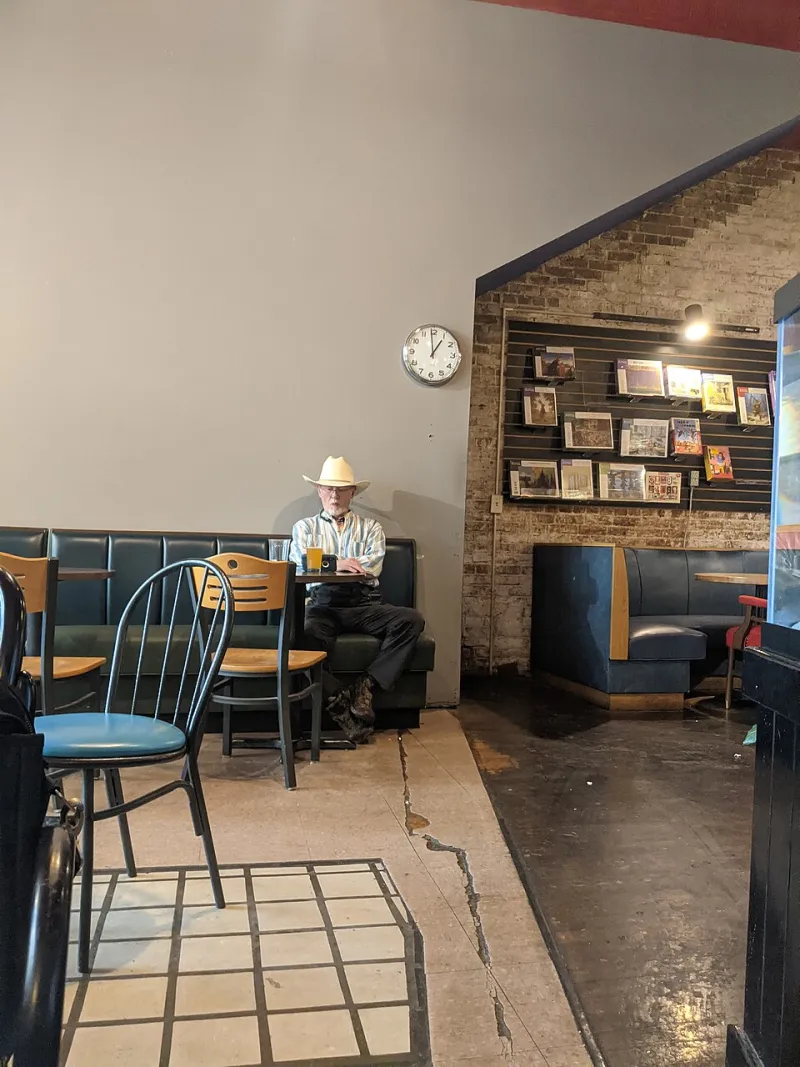
Photo: Artaxerxes, CC BY-SA 4.0, via Wikimedia Commons
There's a particular kind of vape shop in Taiwan that doesn't look like much from the street. Small frontage, a glass case of devices, a wall of liquid bottles arranged by flavor family rather than by brand, and a counter with four stools where people sit down and stay for forty minutes.
Nobody is buying anything for the first twenty. That's the whole idea.
American vape retail has largely gone the other direction — a wall of disposables behind plexiglass, a clerk who asks what you want before you've finished looking, and a loyalty program that rewards volume. It's efficient. It's also completely forgettable, and in a market where anyone can order the same hardware from their couch, forgettable is expensive.
The Third Place Problem
Sociologists have a term for the spot that isn't home and isn't work — the third place. Bars, barbershops, and coffee counters used to do that job. For adult vapers, the better Taipei shops occupy that slot, and they do it without a liquor license or a cover charge.
The mechanics are simple. Seating encourages duration. Duration encourages conversation. Conversation turns a stranger into a regular, and a regular doesn't price-check every purchase against an app.
That's not sentiment, it's math. The lifetime value of a customer who sits at your counter once a week dwarfs the margin on any single device.
What a Tasting Counter Actually Is
In practice, a tasting counter is a small, well-lit surface holding a dozen or so tester devices, each loaded with a different liquid and each fitted with a fresh disposable tip or a wipe-down routine between users. Bottles are grouped by profile: tea, fruit, tobacco, dessert, mint. Strength is labeled clearly, and the 0mg options are usually on the counter, not hidden in a drawer.
The point isn't to sample everything. It's to answer one question — do I want this in my device for the next two weeks — before spending $18 on a bottle you'll use twice.
The Etiquette Regulars Follow
Nobody hands out a rulebook, but the norms are consistent, and they're worth knowing whether you're in Taipei or Tampa.
- Ask before you puff. Even at a tester bar, it's someone's shop, not a buffet.
- Use the tip that's provided or bring your own. If there's a jar of disposable tips, take one. If there isn't, ask.
- Two puffs, then pass. Testers exist to answer a question, not to top you off for free.
- Don't cloud the room. Etiquette exists so a small space stays pleasant for everyone in it.
- Say what you actually taste. Disagreeing with the owner about whether a liquid reads as oolong or jasmine is the entire afternoon's entertainment, and it's welcome.
- Mention your device. Flavor changes wildly between a 0.6-ohm pod and a sub-ohm tank. Staff can steer you if they know what you're running.
Staff Who Know the Difference Between Strength and Personality
The expertise at the counter is specific and unglamorous. A good staffer asks how much you smoked before recommending a nicotine level. They know that a 35mg salt in a low-wattage pod is not the same experience as the same number in a sub-ohm tank. They can describe a flavor without leaning on the word smooth.
And critically, they'll talk you down. Not up. If you've been at 20mg for a year and want to try 12, they will hand you the 12 and tell you it might feel thin for a week. That's the difference between a counter person and a salesperson.
The No-Sell Rule
The unwritten rule of the well-run tasting bar is that nobody gets pushed. You can sit, taste, ask eleven questions, and leave with nothing. This happens constantly, and it doesn't hurt the shop, because the person who left with nothing comes back next month and brings a friend.
Hard-sell tactics destroy that. The moment a customer feels worked, the counter stops being a place to hang out and becomes a place to endure. Every shop owner I've talked to about this describes the same tradeoff and makes the same choice: fewer, slower interactions that convert better over a year.
What American Shops Keep Missing
US vape retail has a few structural habits that work against this model.
Hype counters. Juice brands pay for placement, so the wall reflects marketing spend rather than what tastes good. Tasting bars in Taiwan are curated, which is a different and more useful editorial act.
Volume incentives. Buy-five-get-one pricing pushes people toward buying more liquid than they can vape. It feels like a win and it isn't.
The transaction clock. Staffing models that put one person alone behind a register make lingering impossible, so the shop stays a vending machine with a lease.
Fear-based compliance signage. Age verification and safety rules are necessary, and treating every 21-plus adult like a suspect sets the tone for everything after.
Concrete Takeaways for Owners
Put four stools in. Curate twelve liquids instead of stocking eighty. Publish a tasting policy on the counter — tips are provided, two puffs each, no purchase necessary. Train staff on nicotine math and device-to-flavor pairing rather than on upsell scripts. And track return visits, not average ticket. The counter will pay for itself.
Concrete Takeaways for Customers
Be the customer the shop wants. Ask specific questions, don't graze the testers, and when staff talk you down a strength, take the advice. If a shop has no seating, no testers, and no one who can explain what a coil ohm rating does, you're allowed to buy elsewhere and save the loyalty.
The Long Version
A good vape shop is a room where adults can be curious for a while. That's a low bar and most of the American market still clears it by accident, if at all. The Taiwanese tasting counter isn't magic — it's a chair, a clean tip, and a person behind the counter who is more interested in your next two weeks than in your receipt. Anyone can copy that. Most won't.