Shipping Taiwan Vape Gear to the US: The No-Nonsense 2024 Playbook
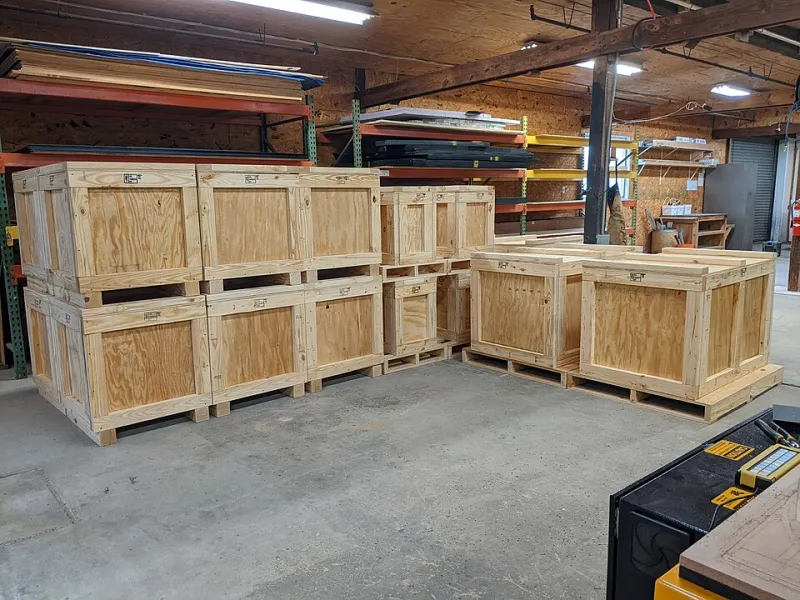
Photo: VCCmatt, CC BY-SA 4.0, via Wikimedia Commons
Let's be honest: the appeal of ordering vape gear directly from Taiwan is easy to understand. Exclusive hardware that hasn't hit US retail yet, pricing that undercuts domestic distributors, and access to artisan products that simply don't have American distribution — it's a compelling proposition. But a lot of US vapers have also been burned by the process: stuck shipments, surprise customs fees, or worse, receiving a counterfeit product that looked legitimate in the listing photos.
This guide exists to cut through the confusion. Whether you're a first-timer curious about ordering from a Taiwanese retailer or a seasoned importer looking to tighten up your process, here's what actually matters in 2024.
Understanding the Legal Landscape First
Before anything else, let's talk about legality — because this is where a lot of people make assumptions that come back to bite them.
Importing vaping products into the United States is legal for personal use, but it operates within a patchwork of federal and state regulations that you need to understand before you order. At the federal level, the FDA regulates vaping products as tobacco products, which means imported items are subject to the same framework as domestically sold goods. Commercially imported vape products require FDA authorization, but personal-use imports occupy a grayer area that customs has historically treated with some flexibility.
State laws add another layer of complexity. Some states have stricter regulations around vaping product imports and sales than others. It's your responsibility to know the rules in your state before placing an order — that's not us passing the buck, it's just the reality of a fragmented regulatory environment.
For most personal-use purchases — a device, some replacement coils, a few bottles of e-liquid — the practical risk is usually a held shipment or a returned package rather than legal consequences. But go in informed, not optimistic.
Customs: What to Expect and How to Prepare
US Customs and Border Protection (CBP) processes millions of international packages daily, and most small personal-use vape orders pass through without incident. That said, there are things you can do to minimize friction.
Declare accurately. Packages from Taiwan that are misdeclared — either in terms of contents or value — are more likely to be flagged and held. Reputable Taiwanese retailers will fill out customs documentation honestly; be wary of any seller who offers to mark your package as a "gift" or significantly undervalue it to avoid duties. That's a shortcut that creates problems.
Understand duty thresholds. Orders under $800 in declared value generally qualify for duty-free entry under the de minimis threshold. For most personal vape purchases, you'll stay comfortably under this — but if you're ordering in bulk or purchasing high-end hardware, factor potential duties into your cost calculation.
Lithium battery rules matter. Many vape devices contain lithium batteries, which are subject to specific international shipping regulations. Reputable Taiwanese shippers know how to package and declare these correctly. If a retailer seems unclear on lithium battery shipping requirements, that's a red flag about their overall professionalism.
Spotting Authentic Taiwanese Products vs. Counterfeits
This is arguably the most important skill you can develop as an importer of Taiwanese vape gear. The same manufacturing expertise that makes Taiwan a hub for quality products has also made it a source of sophisticated counterfeits — particularly of popular international brands.
Here's how to protect yourself:
Buy from established retailers with verifiable reputations. Look for retailers with substantial review histories on multiple platforms, active social media presence, and transparent business information. Anonymous storefronts with suspiciously low prices are a classic red flag.
Use manufacturer authentication tools. Most legitimate Taiwanese vape brands — particularly those that export internationally — have scratch-and-reveal authentication codes or QR verification systems. Always verify before you use a new device.
Know the price floor. If a deal seems too good to be true on a known brand, it almost certainly is. Authentic Taiwanese-made gear from reputable manufacturers has a cost structure that limits how low legitimate pricing can go. Dramatic discounts on name-brand hardware are a warning sign.
Request documentation. Legitimate retailers should be able to provide product certificates, batch documentation, or at minimum, clear supply chain information. Hesitation or vagueness here is telling.
Shipping Options and Realistic Timelines
Taiwan has excellent international logistics infrastructure, and most reputable retailers offer multiple shipping tiers. Here's a realistic breakdown:
Economy shipping (postal services): Typically 2-4 weeks to the US mainland. Lower cost, less tracking visibility, slightly higher risk of delays at customs. Fine for non-urgent orders of non-perishable hardware.
Standard courier (DHL, FedEx, UPS): Usually 5-10 business days. Better tracking, more reliable delivery windows, and couriers often have established customs clearance processes that reduce hold times. Worth the premium for hardware orders.
Express services: 3-5 business days. Highest cost, but genuinely fast and typically comes with proactive customs handling. Useful if you're ordering something time-sensitive.
Factor in processing time on the retailer's end — particularly for smaller boutique operations, which may batch orders a few times per week rather than shipping daily.
Exclusive Taiwan Gear Worth the Import Effort
So what's actually worth going through this process for? A few categories stand out:
Limited-run hardware collaborations between Taiwanese engineers and regional artists that never make it to US distribution. These are particularly common in the regulated mod space and among boutique atomizer makers.
Artisan e-liquids from small-batch Taiwanese producers who don't have US distribution agreements. More on this in our flavor guide, but the short version is: some of the most interesting juice being made right now isn't on American shelves.
Next-generation hardware that's available in Taiwan months before it reaches US retail through official channels. Following Taiwanese vape media and retailer catalogs is essentially a preview of what's coming to American stores in 6-12 months.
The import process has friction — there's no pretending otherwise. But for the right products, that friction is absolutely worth navigating.