Build It to Last: What Taiwanese Engineering Standards Mean for Your Vape Wallet
Let's be real — the disposable vape boom has been convenient. Grab one off a gas station shelf, vape it for a week, toss it. No maintenance, no settings, no learning curve. But if you've been paying attention to your spending, you've probably noticed that convenience has a price tag that adds up fast.
That's where Taiwan-manufactured devices enter the conversation. There's a reason serious vapers keep coming back to Taiwanese hardware, and it's not just brand loyalty. It comes down to how these devices are actually built — and what that means for how long they last.
The Engineering Mindset Behind the Hardware
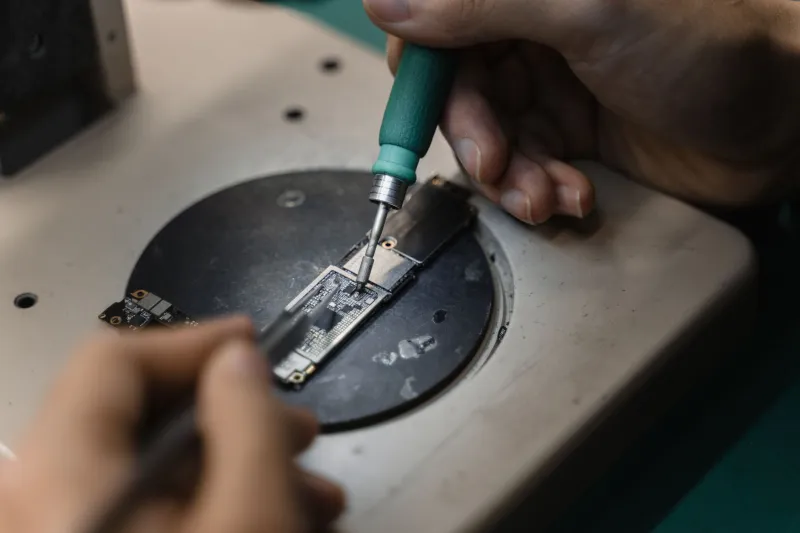
Taiwan's electronics manufacturing culture is deeply influenced by a philosophy of tolerance and precision. The same industrial DNA that built Taiwan's semiconductor and consumer electronics reputation shows up in its vape hardware sector. Tolerances are tighter, materials are selected with longevity in mind, and — critically — many Taiwanese device makers still design their products to be user-serviceable.
We connected with a product engineer at a Taichung-based vape hardware company to get his take. "Planned obsolescence is a business model," he said bluntly. "We don't design for it. Our goal is that a customer buys a device, uses it for two or three years, and recommends it to a friend. That's how we grow."
That mindset shows up in specifics: machined zinc alloy frames instead of injection-molded plastic, replaceable coil systems rather than sealed pod units, and battery doors or panels designed to allow cell swaps rather than force you to retire the whole unit when capacity degrades.
Where Disposables Actually Cost More
Let's run some quick numbers, because this is where the argument gets concrete.
A typical disposable vape in the US retails somewhere between $12 and $20 and delivers roughly 3,000 to 5,000 puffs. If you're a moderate vaper doing maybe 200 puffs a day, you're burning through one every two to three weeks. At a conservative $15 average, that's somewhere around $260 to $390 per year — just on the devices themselves, not counting any juice costs.
Now compare that to a quality Taiwanese pod system or refillable mod. Entry-level options from reputable Taiwanese brands run $35 to $65. A replacement coil pack (usually 5 coils) costs $10 to $15 and, with proper maintenance, each coil lasts one to three weeks depending on your vaping habits. Your annual hardware spend drops dramatically — often to under $100 when you factor in the device's multi-year lifespan.
The cost-per-use math isn't even close once you do it honestly.
Maintenance That Actually Makes a Difference
Here's the thing about durable devices: they stay durable if you treat them right. Taiwanese hardware is built to last, but it's not invincible. A few consistent habits will extend your device's lifespan significantly.
Clean your contacts regularly. Battery contacts and pod connection points accumulate residue over time. A quick wipe with a cotton swab lightly dampened with isopropyl alcohol every couple of weeks keeps conductivity clean and prevents the "weak hit" problem that makes people assume their device is dying when it's actually just dirty.
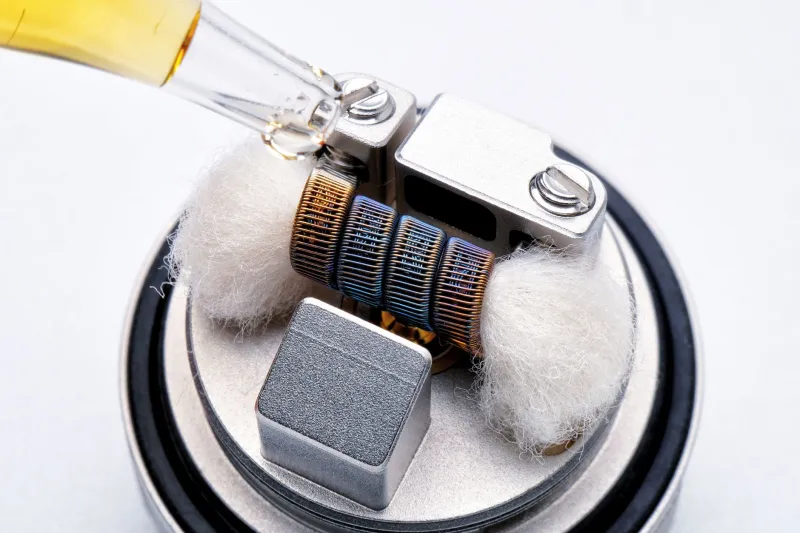
Prime your coils properly. This one is non-negotiable. Before you use a new coil, add a few drops of e-liquid directly to the cotton wicking ports and let it sit for five to ten minutes before your first draw. Skipping this step is the single biggest cause of premature coil burnout, and it's entirely avoidable.
Store batteries correctly. If your device uses external 18650 or 21700 cells, don't leave them fully charged or fully depleted for extended periods. Storing at around 50 to 60 percent charge when not in use significantly extends overall battery life.
Watch your wattage. Running a coil hotter than its rated range degrades it faster. Taiwanese devices typically include clear wattage windows on their coils for a reason. Staying in that range isn't just about flavor — it's about not burning through hardware prematurely.
Rinse your tank or pod housing. When you switch flavors or do a regular cleaning, rinse the tank with warm water, let it dry completely before reassembly, and you'll prevent flavor ghosting and extend seal integrity.
Build Quality Red Flags to Watch For
Not every device labeled "Taiwan-made" hits the same standard, so it's worth knowing what to look for when you're evaluating hardware.
Check the threading on tanks and atomizers. Smooth, consistent threads with no wobble or cross-threading are a sign of quality machining. Rough or uneven threading usually means cost-cutting somewhere in the manufacturing process.
Look at the airflow mechanism. Adjustable airflow rings should move smoothly but with some resistance — not loose and rattly, not so tight you're forcing it. Sloppy airflow is a durability signal.
Ask about coil availability before you buy. A device is only as maintainable as your ability to source replacement coils. Taiwanese brands with US distribution partners generally have better coil availability than grey-market imports.
The Sustainability Angle
There's also an environmental argument worth mentioning. The disposable vape industry generates an enormous amount of lithium battery waste, and it's becoming a real policy issue in the US and globally. Choosing a repairable, long-lasting device isn't just good for your budget — it's a more defensible choice from a waste perspective.
Taiwan's engineering culture, somewhat by default, ended up on the right side of that conversation. Devices designed to be fixed rather than trashed are simply better for the long game, both financially and environmentally.
If you're still running on disposables, the switch to a quality Taiwanese device is one of the better decisions you can make as a vaper. The upfront cost is real. The long-term savings are realer.