The Bench Test: How Taiwanese Shops Handle Repairs — and the After-Sale Checklist American Vapers Should Steal in 2026
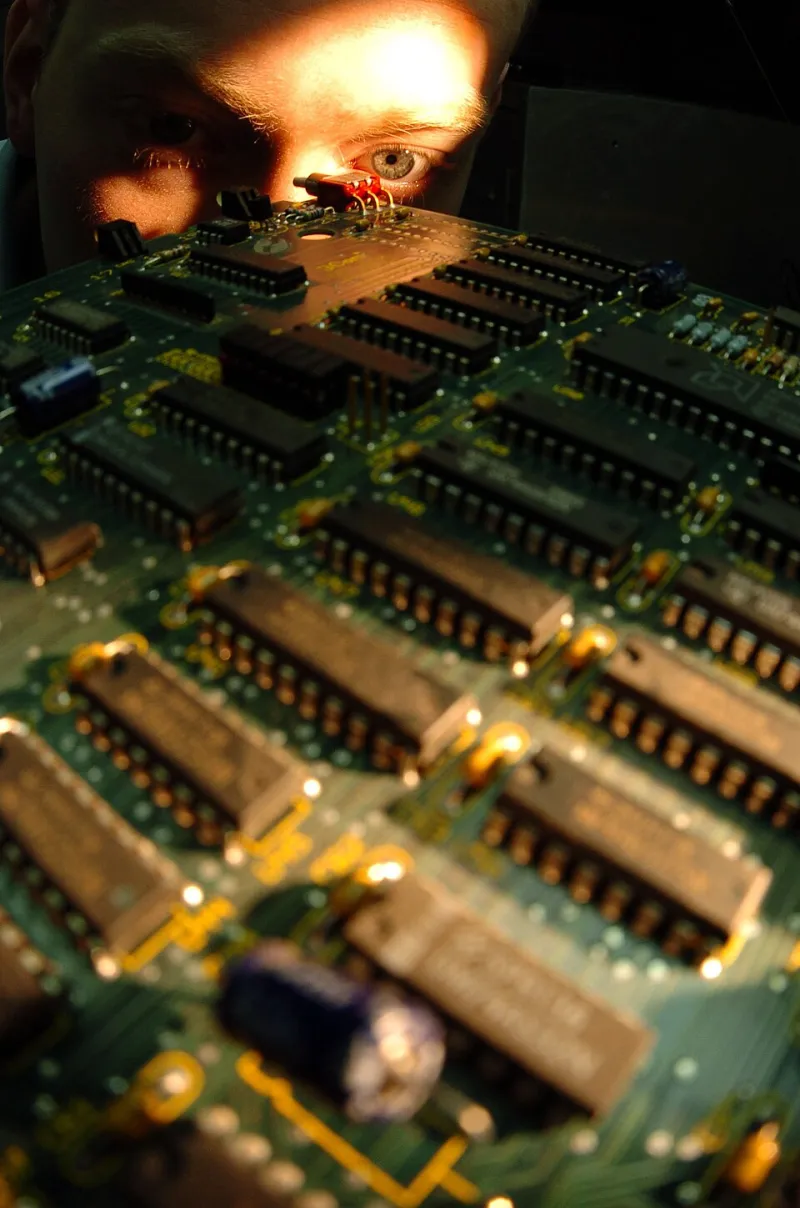
Photo: U.S. Navy photo by Airman Alan Willis, Public domain, via Wikimedia Commons
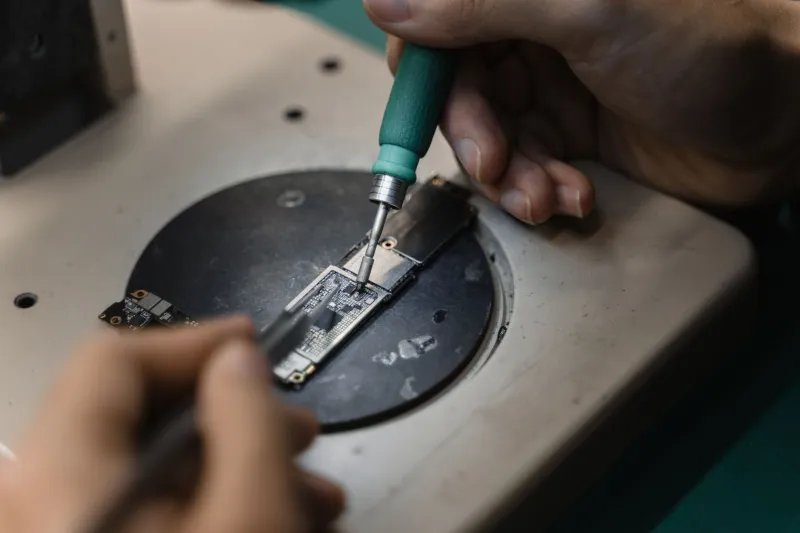
Walk into a vape shop in Taipei with a mod that won't fire and you'll usually hear some version of the same answer: leave it, come back Thursday. Not a warranty PDF, not a support inbox, not a promise to escalate. A bench in the back, a multimeter, a drawer of o-rings, and someone who has cracked that exact device open more times than they can count.
American vapers are trained to expect something else entirely. The device dies, you open a ticket, you ship it somewhere, and four to six weeks later a replacement shows up — maybe. Or you eat the loss and buy another, which is more or less what a disposable-heavy market has taught people to do.
That contrast is worth studying, because it isn't really about Taiwanese hospitality. It's about shop economics, and about whether after-sale support is treated as a cost or as a reason to come back.
The Bench Is the Business Model
A repair-first shop makes money three ways: the original sale, the small parts and labor on the back end, and the loyalty that comes from being the place that fixed it. None of those require a marketing budget.
The setup is unglamorous. A soldering iron, a regulated power supply for testing cells, a box of spare 510 connectors, bags of o-rings sorted by size, a laptop for firmware flashes. Labor is often cheap or free on a device the shop sold. Parts are billed.
In the US, the same bench exists in maybe one shop out of twenty, and usually because the owner is a hobbyist who can't help themselves. That's a missed opportunity more than a moral failing — but from a buyer's side, it changes what you should ask before you spend.
What Actually Gets Fixed
The recurring list is narrower than people assume. Most repairs aren't repairs at all; they're diagnostics and consumables.
- Battery wraps and cell health. A torn wrap gets rewrapped on the spot. A cell that reads badly gets pulled from service, not patched.
- Connection problems. Recessed 510 pins, gunked threads, pods that stop making contact. Ten minutes and a cotton swab solve a surprising share of 'dead mod' complaints.
- Leak paths. O-rings, seals, and the gasket under a pod slot. This is the number one thing a bench catches that a support form never will.
- Coil rebuilds. For anyone running a rebuildable, shops will re-wick and re-coil while you wait, and they'll usually show you how so you stop paying for it.
- Firmware and dry-hit troubleshooting. Wattage mismatches, wrong coil presets, airflow closed down to nothing.
What They Won't Touch — and Why That's the Point
A good bench says no more often than you'd expect. Swollen or physically damaged cells get retired on the spot, no debate, no attempt to salvage. Water-damaged boards with corrosion creeping under the chip usually get a polite refusal, because a fix that fails in a week costs more reputation than it earns. And devices of unknown provenance — unmarked clones, marketplace specials with no serial — get sidelined because there's no reliable part to fit.
That last one matters for US buyers hunting deals online. A cheap device with no parts pipeline is not a bargain. It's a subscription to buying the same device again.
Five Questions to Ask Any Seller in 2026
This works on a shop counter and it works in a chat window. Ask before you buy, and listen to how quickly the answer comes.
- Who does the diagnosis? A technician with a bench, or someone reading a script? If the answer is 'you mail it to the manufacturer,' you're not getting support, you're getting logistics.
- Do you stock parts, or is everything an RMA? Pods and coils in stock is table stakes. O-rings, glass, and connectors are the tell.
- What's the turnaround in actual days? Not 'business days.' Not 'as soon as possible.'
- What voids coverage? Juice ingress, third-party fast chargers, dropped devices, and rebuildables are the usual carve-outs. Read them before you need them.
- Is there a bench fee, and does it convert to credit? A shop that charges $10 to look at a device and applies it to your next purchase is telling you something honest about how it values its time.
Reading a Warranty Like a Skeptic
Most US device warranties run 30 to 90 days and cover manufacturing defects only. That's not sinister; it's normal consumer electronics. The problem is when the warranty is presented as a feature during the sale and then treated as a nuisance after it.
Two things to look for. First, whether the retailer handles the claim themselves or pushes you to the brand — a real middleman absorbs the hassle. Second, whether defective devices get replaced from shelf stock rather than shipped back to a warehouse in another state. The difference between three days and five weeks is entirely about where the replacement unit physically sits.
Where US Retailers Are Quietly Improving
To be fair, this is changing. Counter-side troubleshooting has made a comeback in independents, partly because pod systems are simple enough to diagnose on the spot and partly because the online channel has gotten so competitive that service is one of the few things left to differentiate on. A handful of shops now publish a real repair policy instead of burying it in terms of service.
That's the model worth rewarding. Not the shop with the biggest display wall, but the one with a bench, a parts drawer, and someone who'll tell you the truth about whether your device is worth saving.
The Takeaway
Good after-sale support looks boring. It looks like spare o-rings in a labeled bag, a written turnaround time, and a person who can tell a dead board from a dirty contact. Taiwanese shops have made that standard because their customers expect it and because the economics support it.
American buyers can push in the same direction with nothing more than a few questions asked at the right moment. Ask who fixes it, ask what's in stock, and ask what the clock actually says. The answers will sort your options faster than any spec sheet.